
Buying Performance Parts for Subaru WRX Builds

Table of Contents
- WRX Build Parts List: What to Buy First, Second, and Last
- WRX Parts Compatibility by Generation, Engine, and Trim
- WRX Turbo Upgrade: When the Stock Turbo Stops Making Sense
- Subaru WRX Suspension Upgrades That Survive Daily Driving
- ECU Tuning and Supporting Modifications You Cannot Skip
- What a Full WRX Build Actually Costs
- How to Evaluate Sellers, Fitment Claims, and Product Quality
- Frequently Asked Questions
Last Updated: October 14, 2026
WRX Build Parts List: What to Buy First, Second, and Last
Buying performance parts for Subaru WRX builds works best in stages: supporting mods first, then power adders with tuning, and finally turbo, fueling, and built engine work for Subaru WRX builds.
The staged approach matters because the WRX rewards balance. A cold-air intake with no tune does little. A tune with no supporting hardware hits a ceiling fast.

Stage 1: Supporting Mods Before Power
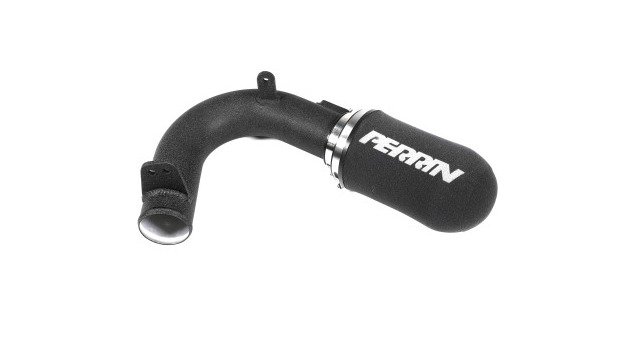
Stage 1 is about reliability, not horsepower. An air-oil separator keeps oil vapor out of the intake, which matters on both the EJ and FA engine platforms. A quality intake and a cat-back exhaust free up airflow without stressing the ECU.
This is also where you buy the tuner. Without engine management, nothing else in your build reaches its potential. A common mistake is skipping this step and bolting on parts that the stock calibration cannot account for.
Stage 2: Power Adders and Tuning Support
Stage 2 adds a downpipe, an intercooler upgrade, and a proper tune. The intercooler is the part most owners underestimate. A larger top-mount unit lowers intake temperatures and holds power through repeated pulls instead of fading after the first one.
Tuning support is not optional here. Every hardware change needs a matching calibration, and running a downpipe on a stock map invites check-engine lights and lean conditions. Match the tune to the parts, every time.
Stage 3: Turbo, Fueling, and Built Engine Territory
Stage 3 is where power gets serious and so does the cost. A larger turbo needs more fuel, so injectors and a fuel pump come along. Past a certain point, the stock block cannot take the cylinder pressure, and that means forged internals and a built engine.
This is the stage where owners should stop and ask what the car is actually for. A 500-horsepower daily driver is a different project than a weekend car, and the parts list reflects that.
WRX Parts Compatibility by Generation, Engine, and Trim
WRX parts compatibility comes down to three things: generation, engine platform, and trim. A part that fits a 2015 WRX will not fit a 2022 WRX, and an STI part often will not fit a base WRX at all. Check vehicle fitment before you buy, not after.
The table below summarizes the main differences owners run into.
| Generation | Engine | Common Fitment Notes |
|---|---|---|
| 2015-2021 WRX | FA20 | Intakes and intercoolers are generation-specific; top-mount intercooler and charge-pipe kits are keyed to the FA20 intake manifold and hood scoop |
| 2015-2021 STI | EJ257 | STI parts rarely cross over to the base WRX; the EJ257 uses a different intake manifold, exhaust manifold, and turbo flange pattern |
| 2022+ WRX | FA24 | New engine bay layout, new intake and intercooler fitment; the FA24 uses an electronic wastegate and different charge-pipe routing than the FA20 |
EJ vs FA Engine Platforms and What Changes
The EJ and FA engines behave differently, and that changes what you buy. The EJ257 in the STI is a proven platform with decades of aftermarket support. The FA20 and FA24 are newer, use different intake and intercooler routing, and respond well to tuning.
What most guides miss is that the FA engine's factory calibration is conservative. That leaves real headroom for a tune on mostly stock hardware. The EJ rewards hardware changes more directly. Neither is better. They just want different parts.
Fitment Checks That Save You a Return
Before you order, verify four things: the model year range, the engine code (FA20, FA24, or EJ257), the transmission (six-speed manual versus CVT on the 2015-2021 WRX), and whether the part is CARB-exempt if you live in a state that requires it.
A common pattern is to buy a used part from a different generation because the listing says "WRX" and then discover the bolt pattern is wrong. Ask the seller for the part number and cross-check it against the manufacturer's fitment guide before you pay.
Trim-Level Differences Beyond the Engine
Trim matters even within the same generation. On the 2015-2021 WRX, the base and Premium trims use the same engine but can differ in options that affect parts routing, such as the presence of a factory subwoofer or a different front bumper cover for fog lights.
For suspension parts, the 2015-2021 WRX and STI share some geometry but not all spring and damper rates. A coilover kit listed for both may fit, but the valving is often tuned for one platform. Check the manufacturer's spring rate and damping notes before you assume a shared listing means a shared setup.
WRX Turbo Upgrade: When the Stock Turbo Stops Making Sense
A WRX turbo upgrade makes sense when you have maxed out the supporting mods and the tune, not before. If you are still on a stock intercooler and downpipe, a bigger turbo will not fix the bottleneck. It will just add lag.
The stock turbo runs out of breath at the top of the rev range once you add airflow mods. When you feel the power flatten out early, that is the signal. Upgrade the intercooler and fueling first, then move to the turbo.
Subaru Accessport V3 (AP3-SUB-004) →
Subaru WRX Suspension Upgrades That Survive Daily Driving
Subaru WRX suspension upgrades should make the car sharper without making it miserable. Coilovers set too stiff, or cheap springs that ruin the ride, are the fastest way to hate your own build. For a daily driver, quality dampers and a modest drop beat slammed geometry every time.
The goal is control, not a rock-hard ride. Sway bars reduce body roll in corners. A good set of coilovers lets you dial in height and damping. Both pay off on a canyon road and on the commute.
ECU Tuning and Supporting Modifications You Cannot Skip
ECU tuning is the single most important step in any WRX build, and supporting modifications are what the tune depends on. A tuner lets you replace the factory calibration with one matched to your hardware. Skip it and every part you bolt on is wasted.
For 2015-2021 WRX and STI owners, the Subaru Accessport V3 (AP3-SUB-004) is a strong starting point. For 2022 and newer WRX with the six-speed manual, the COBB Accessport V3 covers the same ground on the new platform.


What a Full WRX Build Actually Costs
A full WRX build cost depends entirely on how far you go. A staged approach keeps spending predictable. Here is how the budget breaks down by stage, using real parts from our catalog as anchors and realistic labor and tuning estimates.
| Stage | Typical Parts | Parts Budget | Labor and Tuning |
|---|---|---|---|
| Stage 1 | Intake, tuner, air-oil separator | $1,200-$1,800 | $150-$400 for install; $0-$500 for an off-the-shelf or e-tune |
| Stage 2 | Intercooler, downpipe, custom tune | $1,800-$3,500 | $400-$900 for install; $500-$1,200 for a dyno tune |
| Stage 3 | Turbo, fueling, built engine | $8,000-$20,000+ | $2,000-$6,000+ for install and engine assembly; $800-$1,500 for a custom dyno tune |
A PERRIN cold-air intake with heatshield runs $370.50 and fits 2015-2021 WRX. A GrimmSpeed billet top-mount intercooler kit runs $899.00 and fits the 2022+ WRX. The Accessport devices above run $770.00 each. Turbo and built engine work push the total well past these figures.
Where the Money Actually Goes
Parts are only part of the bill. Labor for a downpipe or intercooler install at a shop commonly runs $300-$600 depending on the shop's hourly rate and whether the bumper cover has to come off. A dyno tune at a reputable shop typically runs $500-$1,200 for a custom map, and an e-tune with datalog revisions often runs $200-$500.
Maintenance and consumables add up too. A built engine needs more frequent oil changes, and a bigger turbo puts more heat into the oil. Budget $100-$200 per oil change interval if you are using a quality synthetic and a good filter.
Budget Trade-Offs That Matter
A common pattern is to spend the entire budget on the turbo and then have nothing left for the tune, the fueling, or the clutch. That is how a build ends up sitting in the garage.
If the goal is a reliable daily driver, a Stage 1 or mild Stage 2 build often delivers the best dollar-per-smile. If the goal is a track car, the budget shifts toward cooling, brakes, and safety before power. Decide the goal before you decide the parts list.
How to Evaluate Sellers, Fitment Claims, and Product Quality
Evaluating sellers comes down to three checks: does the part actually fit your generation, is it in stock, and will the seller support you after the sale. Fitment claims deserve scrutiny. "Fits WRX" is not the same as "fits your 2022 WRX with the six-speed."
A common mistake is buying on price alone and getting burned by backorders or missing hardware. Ask about stock before you order, and confirm the seller's technical support actually knows the platform.
Frequently Asked Questions
What performance parts should I buy first for a Subaru WRX?
Start with tuning support and reliability parts before chasing power. An Accessport and a conservative off-the-shelf map is the single highest-value first purchase for most WRX builds, followed by an air-oil separator or catch can and a proper intake. These protect the engine while giving you a baseline you can log and measure. Only after that should you add exhaust, intercooler, or turbo hardware, because each of those needs a matching tune to run safely.
Do I need an ECU tune after installing WRX performance parts?
Yes for any part that changes airflow or boost, which includes intakes, downpipes, intercoolers, and turbos. The factory ECU calibrates for stock hardware, so bolting on parts without a tune can cause lean conditions, check engine lights, and long-term engine damage. A device like the Subaru Accessport V3 lets you flash a matching map and log real-time data so you can confirm the car is running safely before pushing it harder.
Can WRX performance parts from different model years fit my car?
Sometimes, but fitment depends on generation, engine platform, and trim rather than the WRX badge alone. The 2015-2021 WRX and STI use different intake, intercooler, and exhaust routing than the 2022+ WRX, and EJ-powered cars share almost nothing with FA-powered ones. Always verify the exact model year range and engine code in the listing, and confirm whether the part is designed for the manual or CVT drivetrain before ordering.
How much does it cost to build a performance Subaru WRX?
A staged approach keeps costs predictable. A tuning device runs around $770, a cold-air intake about $370, and a billet top-mount intercooler roughly $899, so a solid Stage 1 to Stage 2 path lands in the low four figures before installation and labor. Turbo upgrades, fueling, and built-engine work push well beyond that. Budget for supporting parts and a professional tune alongside the headline hardware, since those are what keep the build reliable.
Building a WRX that is fast, reliable, and still fun to drive every day is a balancing act, and the parts you choose decide which way it tips. Axion Performance Parts carries a curated collection of turbos, tuners, exhausts, and suspension upgrades, backed by expert technical support and fast shipping. Start with the right stage, match your tune to your hardware, and build something you actually enjoy driving. Search our store to find the parts that fit your build.

