
How to Identify Authentic Performance Car Parts: 2026 Guide

Table of Contents
- Why Authentic Performance Parts Matter for Your Build
- How to Verify OEM Car Parts and Genuine Components
- Genuine vs Aftermarket Car Parts: What the Difference Actually Means
- Spotting Counterfeit Performance Parts Before You Install
- Performance Parts Serial Number Lookup and Part-Number Cross-Reference
- A Repeatable Verification Workflow for Every Order
- What to Do If You Find a Counterfeit Part
- Conclusion
- Frequently Asked Questions
Last Updated: October 19, 2026
Why Authentic Performance Parts Matter for Your Build
A counterfeit turbocharger can destroy an engine in minutes. That's the real stakes here. When you're learning how to identify authentic performance car parts, you're not just protecting your wallet, you're protecting the build you've poured months into. When a cheap knockoff fails under boost, the consequences can include cracked housings, shredded bearings, and repair bills that dwarf whatever the fake part saved.
The problem is that counterfeit parts look convincing. Packaging gets copied. Logos get scanned and reprinted. A fake can pass a quick glance and still be junk metal inside.
So how do you tell the difference? You check the details most buyers skip.
Below, we'll walk through verification steps, from reading a part number to running a full pre-install inspection. These checks can save you an engine.
How to Verify OEM Car Parts and Genuine Components
Start with the box. Genuine OEM parts and authentic aftermarket components ship with packaging that's hard to fake well. Look for clean printing, sharp logos, and a label that matches the part inside.
Here's what to inspect first:
- Label quality: Real labels have crisp text, correct fonts, and no smudges.
- Seal integrity: A broken or re-taped seal is a red flag.
- Part number match: The number on the box must match the number on the part.
- Serial or QR code: Many makers now print a scannable code you can check online.
If the label looks photocopied or the font is slightly off, stop. That's one of the most common tells.
Checking Packaging, Labels, and Seals
Run your thumb over the label. Genuine printing sits flush and doesn't smear. Cheap counterfeits often use ink that rubs off or sits raised on the surface.
Check the seal next. Factory seals are applied once and cleanly. If you see wrinkles, double tape, or a seal that's been lifted and reset, treat it as suspect. A legitimate seller has no reason to reseal a box.
Genuine vs Aftermarket Car Parts: What the Difference Actually Means
The genuine vs aftermarket car parts question trips up a lot of buyers. Here's the short version: genuine parts are made by or for the original manufacturer to factory specs. Aftermarket parts are made by independent companies, and quality ranges from excellent to terrible.
Aftermarket isn't the enemy. Plenty of aftermarket performance parts outperform factory components. The issue is counterfeit parts sold as genuine or as premium aftermarket when they're neither.
| Part Type | Who Makes It | Quality Range | Best For |
|---|---|---|---|
| Genuine/OEM | Original manufacturer | Consistent, factory spec | Stock replacement, warranty |
| Aftermarket (reputable) | Independent specialists | Good to excellent | Performance upgrades |
| Counterfeit | Unverified factories | Poor, unsafe | Nothing |
A reputable aftermarket brand stands behind its name with a warranty and support.
Spotting Counterfeit Performance Parts Before You Install
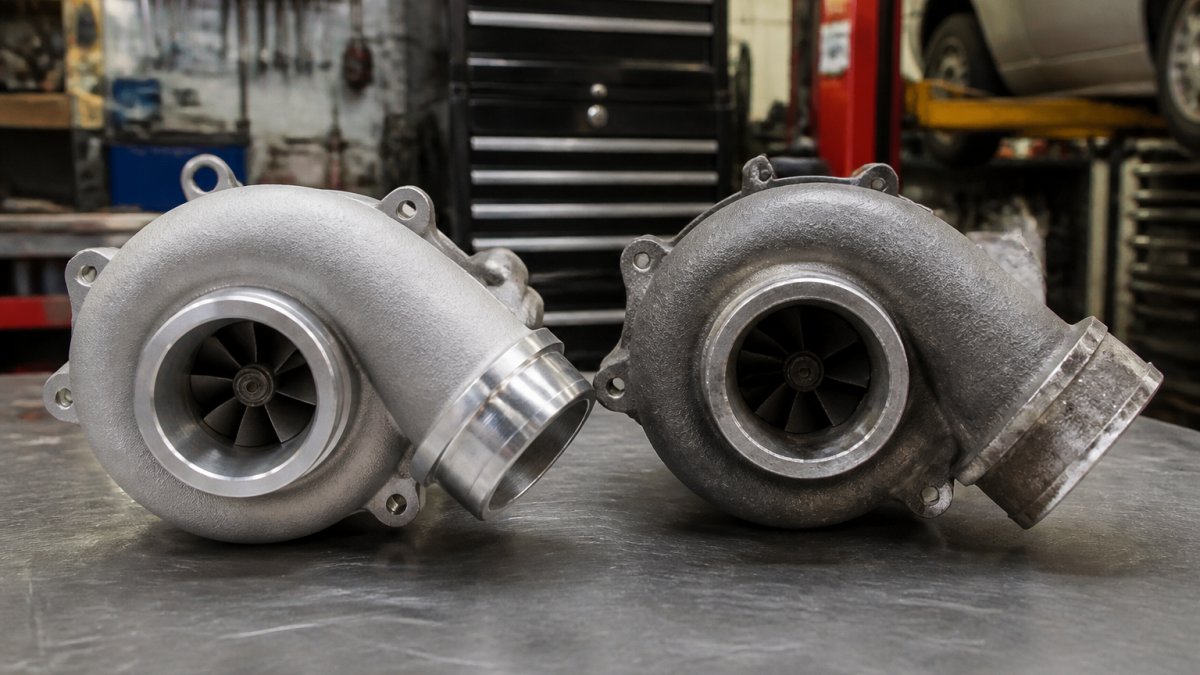
Counterfeit performance parts fail in predictable ways. The metal is softer. The machining is rougher. The finish hides flaws instead of showing quality.
Pick up the part and look closely at these points:
- Casting marks: Genuine castings are clean and consistent. Fakes show rough edges, bubbles, or uneven texture.
- Machined surfaces: Real parts have smooth, precise cuts. Counterfeits look tooled and sloppy.
- Fasteners: Genuine hardware is graded and marked. Cheap bolts have no markings or wrong grades.
- Logo and markings: Compare against the maker's official images. Slight differences in font or spacing matter.
- Weight: A part that feels too light often means thinner metal.
Performance Parts Serial Number Lookup and Part-Number Cross-Reference
A serial number lookup can help confirm a performance part is real, but it only works if you know what the manufacturer actually encodes in that number.
Here is how to use them together.
Step 1: Find the MPN on the part, not just the box. Genuine performance parts usually carry the MPN stamped, etched, or laser-marked directly on the casting or housing. On brakes, check the caliper body and the rotor hat. On suspension, check the damper body and the spring perch.
Step 2: Cross-reference the MPN against the manufacturer's catalog. Confirm three things:
- The number exists in the current catalog and is not discontinued or superseded without notice.
- The number maps to the exact part type you ordered, a brake caliper MPN should not resolve to a bracket or a rebuild kit.
- The number maps to your vehicle fitment, including trim, brake package, and any performance package codes.
Performance fitment is stricter than generic replacement fitment. A big-brake kit for a base model may not clear the wheels or spindles on a track-package car, and counterfeiters often sell one SKU as fitting everything. If the seller's listing says "fits all" for a performance part, that is a warning sign, not a convenience.
Step 3: Run the serial or lot lookup through the manufacturer's own portal. Many performance brands provide a verification page where you enter the serial number, lot code, or QR payload. Use the manufacturer's site directly rather than a third-party lookup tool, because third-party databases can lag or be scraped.
Step 4: Read the date and batch codes. Counterfeiters often reuse a single serial or batch code across many units. If two parts from different orders return the same serial, that is a strong indicator of a cloned label. Legitimate batch codes should be consistent with the production window the seller claims.
Step 5: Compare digital and physical identifiers. The QR code on the box should resolve to the same MPN and serial as the marking on the part. If the box QR resolves to a generic landing page or a different part family, stop.
manufacturer part number and serial verification portal
If the stamped number is missing, ground off, or does not match the box, walk away. Legitimate performance parts always carry clean, readable identification that survives a cross-reference against the maker's own records.
A Repeatable Verification Workflow for Every Order
Use the same steps every time so nothing slips. Here's the five-minute workflow we'd run on any order:
- Confirm the seller: Buy from an authorized or reputable seller with a clear return policy.
- Inspect the packaging: Check labels, seals, and printing quality.
- Verify the part number: Cross-reference against the maker's catalog.
- Run the serial lookup: Scan the QR code or enter the serial online.
- Inspect the part: Check castings, fasteners, markings, and finish.
- Confirm fitment: Match the part to your exact vehicle and setup.
- Keep your receipt: Store proof of purchase with photos.
That last step matters more than people think. Proof of purchase and a clear receipt are what you'll need if you ever have to make a claim or report a fake.
What to Do If You Find a Counterfeit Part
Don't install it. Don't resell it. Don't return it to the seller until you have documented it. The order of operations matters, because once the part leaves your hands you lose the physical evidence.
1. Quarantine and photograph the part. Set it aside from your build. Photograph the packaging, the label, the seal, the part marking, the serial or QR code, and any casting or machining defects. Include a photo of the part next to the shipping box and the order confirmation.
2. Do not install or modify the part. Installing a suspected counterfeit can create a safety hazard and can complicate a return. A counterfeit brake caliper, suspension arm, or turbocharger can fail under load.
3. Contact the seller in writing. Request a refund in writing, email or the marketplace messaging system, and state that you believe the part is counterfeit. Keep the tone factual: list the identifiers that did not match, attach your photos, and ask for a return authorization.
4. Escalate through your payment provider if the seller stalls. Credit card chargebacks and marketplace buyer-protection programs have deadlines, so start the dispute process before the window closes. Provide the same photo set and the manufacturer portal result. Do not close the dispute just because the seller promises a replacement.
5. Report to the manufacturer. Most performance brands track counterfeit activity and want the seller's name, listing URL, and photos. Use the brand's contact or anti-counterfeit page rather than a general social media message. The manufacturer can confirm whether the seller is authorized and can add the serial to its watch list.
6. Report to the appropriate authorities. Counterfeit automotive parts are a consumer-safety issue. You can file a report with the manufacturer, the marketplace, and the relevant consumer-protection agency in your state. Keep copies of every report number.
7. Warn other buyers without defaming anyone. Leave a factual review describing what did not match and how the seller responded. Stick to verifiable details, the part number, the serial result, the seller's response, rather than accusations.
8. Review your build for related risk. If one part from an order is counterfeit, check the other parts from the same seller. Counterfeiters often mix real and fake inventory, and a fake fastener or bearing can be just as dangerous as a fake turbo.
Conclusion
The parts that make your build special are also the ones most worth faking. A ten-minute check on packaging, part numbers, and serial codes protects everything you've invested. Axion Performance Parts has been providing enthusiasts with high-quality aftermarket performance components since 2009, offering expert support and fast shipping on turbos, tuners, exhausts, and suspension upgrades. Search our store and build with parts you can trust.
Frequently Asked Questions
How do I know if a performance part is OEM?
Check the manufacturer part number on the part itself and on the packaging, then cross-reference it against the vehicle maker's parts catalog or a dealer parts counter. OEM parts carry the automaker's logo, a consistent casting or stamping finish, and usually a serial or lot code. A receipt from an authorized seller matters too. If the part number does not match the catalog or the logo looks off, treat it as suspect before you install it.
How do I verify a performance part's serial or part number?
Start with a performance parts serial number lookup using the number stamped on the part and the number printed on the box. Compare both against the manufacturer's own lookup tool or catalog. Look for consistency in font, spacing, and placement. Counterfeit performance parts often reuse a valid number on a part that does not match the listed specifications. If the seller cannot confirm the number in writing, ask for proof of purchase from an authorized seller.
Does buying from an authorized dealer guarantee a part is authentic?
It reduces risk but does not guarantee it. Authorized sellers have supply-chain agreements and warranty obligations, which makes counterfeit parts less likely. Still, inspect the packaging, label, seal, and fasteners when the box arrives. Keep the receipt and proof of purchase. If anything looks wrong, contact the seller before installing. A warranty claim is much easier when you bought from a reputable seller and documented the condition of the part on arrival.
What should I do if I think I bought a counterfeit car part?
Stop before installing it. Photograph the part, packaging, label, and serial number. Contact the seller for a return and refund, and put the request in writing. If the seller is unresponsive, dispute the charge with your card issuer. Report the listing to the marketplace. Do not run a suspect part on a turbo or suspension setup, because a failure can damage the engine or compromise safety. Replace it with a part from an authorized seller and keep the documentation.

